கீழே வருவது தியாகராஜா நாவலுக்கு என் நண்பர் சுந்தர் சருக்கை எழுதிய முன்னுரை. அதற்குக் கீழே அதன் தமிழ் மொழிபெயர்ப்பும் உள்ளது. மொழியாக்கம் செய்தவர் சீனிவாச ராமாநுஜம்.
Foreword
Sundar Sarukkai
How does one write a story about a famous and almost mythical figure like Thyagaraja? How does one write his story? Fiction is not biography. It uses the tools of biography but has to go beyond it. And writing a biography of Thyagaraja itself is daunting. There are too few books on such an influential figure. A major reason is that we, as a culture, do not understand history in the way some of the other cultures do. We do not create documents of the past nor store them. History is always mixed with myth, some historians would say. I would say that facts are always mixed with fiction in the way we understand the past.
It is not easy to capture the complexity of Thyagaraja’s life. There is no simple and direct path to it. But Charu, in a remarkable move, comes to Thyagaraja via Beethoven! He recounts Thyagaraja’s experience with his god Rama through a Christian priest’s encounter with him. Two of the greatest musicians confront each other, not directly, but through this priestly mediator. And through their common passion for music. What an imagination that brings Thyagaraja into the same space as Beethoven! We do not directly enter Thyagaraja’s world. We enter it in the novel first through Vienna, the character of Etienne the priest, the initial meeting of Etienne and a ‘deaf’ Beethoven, all of which takes you, the reader, to their presence.
There are some facts that we know about Thyagaraja. He lived in Thiruvayyar, a town on the banks of the Kaveri. You can walk around the town today and although it is more crowded today than in his times, not much has changed. There is now a temple and samadhi for him on the banks of the river. A major festival of Carnatic music draws hundreds of musicians every year to this place. There is the house where he lived. His descendants are around. Thyagaraja is a living presence in that town and although I have been to all these places, I had not discovered Thyagaraja as I did while being immersed in this novel.
To write about Thyagaraja is to write about music and gods, much more than about human life. How does one find the language to do this or even the imagination? Facts are a scaffold, just the outer skeleton of a house. They do not show the complex interior of the house. We can use facts as a prop to hold our stories together. The task of a storyteller is to add their imagination to the facts. Imagination converts facts into reality. When we read Charu’s story about Thyagaraja, we are not reading a set of facts but we are seeing, hearing and experiencing the presence of Thyagaraja and his music.
Did he speak in the way he speaks in the novel? Did the events all happen in the same way as described? These questions should not matter to us. Masterfully blending imagination into certain known facts, Charu gives life to Thyagaraja through the voices and innumerable stories of Etienne and Anandi. But dealing with music and gods also means that it is not enough to be with Thyagarja alone. Charu needs the presence of Beethoven, Bach and a host of others because Charu is interested in showing us the universality of music and the way it goes beyond petty human interests.
Thyagaraja is already a product of an ancient imagination. It is said that Narada comes to him as a sage and gives him the text on which the secrets of music are written. Music cannot be conjured up with facts alone. Facts corresponding to musical notes and combinations can only produce some knowledge of music but not the essence of musicality and genius that is the mark of Thyagaraja. Thyagaraja’s invocation of the god Rama is an experience of his imagination, one that made Rama a real person in front of him. Charu invokes Thyagaraja like the latter invokes Rama.
But both of them realise that ultimately Thyagaraja or Rama should be part of the experience of the reader and the listener respectively. So they use the language that is needed for the reader/listener, use examples and stories to provoke the receiver’s imagination. Thyagarja sees Rama and reproduces him in his song so that the true musical lover can have that same experience. Charu sees Thyagaraja as a living person around him and this novel brings that living, breathing Thyagaraja into our own midst. It is not Charu’s Thyagaraja that we see and feel, but the real Thyagaraja who comes to us with new stories and new experiences.
For, after all, that is the fate of fiction itself. It is impossible to escape the shadow of the real when we write or read fiction just as much as it is impossible to avoid the presence of fiction in describing reality. We can only act as if something is purely real and something is truly fiction. A story may not be a true description of what has happened but this does not make it unreal. The moment a story is written, it becomes an account of a reality that might have occurred or which might happen in the future. If you are not convinced, think of all the major inventions that are now part of our daily lives. They were all stories at one point, before they were converted into reality. This story is as much about Thyagaraja who lived in the past as it is about new Thyagarajas yet to be born.
A ‘true’ story about a person will necessarily have fictional elements. Charu talks about autofiction in this novel. I think that all autobiographies are also autofictions. I may see an event that happened in my life very differently from somebody else who was involved in it. All we can offer are perspectives. My perspective might seem like fiction to another. But that is really the function of stories and literature. To show multiple possibilities, possible realities that could have happened. Every story is a fictional garland of many real events.
This novel is as much about music as it is about the humans who populate it. In a sense, the central character is music and its nature. It is not a biography of Thyagaraja, but only an exploration of the most essential aspect of him that defined who he was – his musical self. Same with Beethoven too. Music is the language that connects humans with gods, whereas the languages we speak only connect humans with other humans. Thyagaraja’s songs are not for his king or other humans. His music is for his god Rama only, just as his predecessors Pothanna and Annamaya as recounted in this novel. It makes Etienne ask what all of us must have asked: who am I singing for? Who is music for? For us or for the gods?
It is very difficult to write about music. Just as it is to write about silence. Both music and silence are closely related; they have both escaped our language. But, we have to use our language to write about them, those things which cannot be captured in language. What this novel does is to write about both music and silence in such a way that it opens up the possibility that we too can hear the music and silence that hides in these words. This is a book that arises from very deep experience, emotion and thought.
What kind of musical imagination binds Beethoven and Thyagaraja? It is an imagination that starts from the everyday, from everyday actions and conversations. It is the nature of music itself that allows Charu to bring together these characters in this novel. As he writes, music for Beethoven was caught within the boundaries of silence and the ever present cosmic sound resonating within him. It is not a surprise that this novel itself is like a symphony, like an ocean with waves after gentle waves of stories. Not only is music presented as a unified experience, so is the experience with divinity. Etienne meeting Thyagaraja – through his encounters with Beethoven and the music of Bach – is a meeting as much of Jesus and Rama. To write about music is to experience it deeply. Much more than specific representations of gods, it is this deep musical experience that was common to Beethoven, Bach and Thyagaraja that makes them see music itself as a manifestation of god. It is this deep experience and understanding of the capabilities of music that Charu shares with his readers.
You cannot merely read this remarkable book; you will have to learn how to hear it. Hear the sounds in the words that are written but also the music that is hidden in the silences between the words.
***
Sundar Sarukkai is trained in physics and philosophy, and has held positions of professor at the National Institute of Advanced Studies, Bangalore, founder-director of the Manipal Centre for Philosophy and Humanities, and founder of an informal collective called Barefoot Philosophers. He is the author of the following books: Translating the World: Science and Language; Philosophy of Symmetry; Indian Philosophy and Philosophy of Science; What is Science?; JRD Tata and the Ethics of Philanthropy, and The Social Life of Democracy. He has co-authored two books with Gopal Guru: The Cracked Mirror: An Indian Debate on Experience and Theory, and Experience, Caste and the Everyday Social. His book for children titled Philosophy for Children: Thinking, Reading, Writing has been widely translated. His last two books were critically acclaimed novels, Following a Prayer (2023) and Water Days (2025). He is the series editor of Routledge’s Science and Technology Studies, as well as the co-chief editor of the Springer Handbook of Logical Thought in India. Homo Philosophicus: Discovering the Spirit of Philosophy in Everyday Life is his latest book. For more details, see www.sundarsarukkai.in
இசையின் வழியே மெய்மையைத் தேடி…
சுந்தர் சருக்கை
பிரபலமான, ஏறக்குறைய தொன்மமான நபராகிவிட்ட தியாகராஜர் போன்ற ஒருவர் குறித்து எப்படிக் கதை எழுத முடியும்? எப்படி அது சாத்தியம்?
தன்வரலாறு அல்ல, புனைவு.. தன்வரலாறுக்கான உத்திகளைப் புனைவுபயன்படுத்தினாலும்கூட அதைக் கடந்து செல்ல வேண்டியிருக்கிறது. மேலும், தியாகராஜரின் வாழ்க்கை வரலாற்றை எழுதுவது சாதாரண காரியமும் இல்லை. இவ்வளவு செல்வாக்கு மிக்க மனிதர் குறித்து சொற்பமான புத்தகங்களே உள்ளன. ஒரு பண்பாடாக நாம், பிற பண்பாடுகள் புரிந்துகொண்டிருப்பதுபோல் வரலாற்றைப் புரிந்துகொள்ளவில்லை என்பது இதற்கான காரணங்களில் முக்கியமான ஒன்று. கடந்த காலம் குறித்து நாம் ஆவணங்களை உருவாக்குவதும் இல்லை, அவற்றைப் பாதுகாப்பதும் இல்லை. நம்மிடம் வரலாறு எப்போதும் தொன்மத்தோடு கலந்திருக்கும் ஒன்றாகவே இருக்கிறது — சில வரலாற்றியலாளர்கள் இப்படித்தான் சொல்கிறார்கள். எப்போதும் உண்மைகளோடு புனைவைச் சேர்த்தே நாம் கடந்த காலத்தைப் புரிந்துகொள்கிறோம் என்றும் நான் சொல்வேன்.
தியாகராஜரின் வாழ்க்கையின் சிக்கலான பல பரிமாணங்களை முழுமையாக வெளிப்படுத்துவது அத்தனை எளிதான காரியமல்ல. அதற்கு சுலபமான, நேரடியான பாதை என்று எதுவும் கிடையாது. ஆனால், சாரு மிக அற்புதமாக, பீத்தோவன் வழியாக தியாகராஜரிடம் போய்ச்சேர்கிறார்! கிறிஸ்தவப் பாதிரியார் ஒருவர் தியாகராஜரை எதிர்கொள்வதன் ஊடாக, கடவுளுடனான – இங்கே ராமன் – தியாகராஜரின் அனுபவங்களை சாரு விவரிக்கிறார். இரண்டு மாபெரும் இசைக்கலைஞர்கள் ஒருவரை ஒருவர் எதிர்கொள்கிறார்கள் — நேரடியாக அல்லாமல் — இந்தப் பாதிரியார் ஊடாக. இவ்விருவரின் இசை மீதான பற்றின் ஊடாக. எப்படியான கற்பனை பீத்தோவனின் அதே வெளிக்குள் தியாகராஜரைக் கொண்டுவருகிறது! நாம் நேரடியாக தியாகராஜரின் உலகுக்குள் நுழைவதில்லை. இந்த நாவலில் வியன்னா ஊடாக, பாதிரியார் எத்தியென் என்ற பாத்திரத்தின் ஊடாக, ‘செவிடான’ பீத்தோவன், எத்தியென் இருவரின் தொடக்கச் சந்திப்புகளின் ஊடாக நாம் தியாகராஜரின் உலகுக்குள் நுழைகிறோம் — இவையெல்லாம் வாசகர்களாகிய நம்மை இவர்கள் முன் நிறுத்துகின்றன.
தியாகராஜர் குறித்து சில தகவல்களை நாம் அறிவோம். அவர் காவேரிக் கரையில் உள்ள திருவையாற்றில் வாழ்ந்தார். இன்றும் அந்தச் சிறிய நகரத்தை நாம் சுற்றிப்பார்க்க முடியும். கூட்டம் அதிகரித்திருக்கிறதே தவிர வேறு எதுவும் பெரிதாக மாறிவிடவில்லை. இப்போது காவேரியின் கரையோரம் அவருக்குக் கோயிலும் அவருடைய சமாதியும் உள்ளன. ஒவ்வொரு வருடமும் இங்கு நடைபெறும் பெரும் இசைத் திருவிழா நூற்றுக்கணக்கான இசைக் கலைஞர்களைப் பங்கேற்க வைக்கிறது. அவர் வாழ்ந்த வீடும் அங்கு உள்ளது.அவருடைய வம்சாவளிகள் இப்போதும் இருக்கிறார்கள். இந்தச் சிறிய நகரத்தில் தியாகராஜர் இன்னும் வாழ்ந்துகொண்டிருக்கிறார். நான் இந்த இடங்களுக்கெல்லாம் போயிருக்கிறேன் என்றாலும்கூட, இந்த நாவலில் மூழ்கியிருந்தபோது நான் கண்டெடுத்த தியாகராஜரை அப்போது என்னால் கண்டெடுக்க முடியவில்லை.
தியாகராஜர் குறித்து எழுதுவதென்பது மனிதர்களுடைய வாழ்க்கையைவிட இசை குறித்தும், கடவுள் குறித்தும் எழுதுவதாகிறது. இதை எழுதுவதற்கான அல்லது கற்பனை செய்வதற்கான மொழியை ஒருவரால் எப்படிக் கண்டெடுக்க முடியும்? தரவுகள் சாரம் போன்றவை — எலும்புக்கூடாகத் தோற்றம் தரும் வீட்டின் வெளிப்புறத்தை ஒத்தவை. இவை வீட்டின் சிக்கலான அகக்கட்டமைப்பை வெளிப்படுத்துவதில்லை. கதைகளை ஒன்றுசேர்க்க நாம் தரவுகளை ஆதாரமாகப் பயன்படுத்தலாம். தரவுகளுக்குள் தன்னுடைய கற்பனையைக் கொண்டுவருவதே ஒரு கதைசொல்லியின்பொறுப்பாகிறது. தரவுகளை மெய்யான ஒன்றாக்குகிறது கற்பனை. தியாகராஜர் குறித்த சாருவின் இந்தக் கதையைப் படிக்கும்போது நாம் தியாகராஜர் குறித்த தரவுகளை மட்டுமே படிப்பதில்லை; மாறாக தியாகராஜரும் அவரது இசையும் நம் முன்னே உயிர்பெற்று எழுவதைப் பார்க்கிறோம், கேட்கிறோம், அனுபவிக்கிறோம்
இந்நாவலில் பேசுவதைப் போல்தான் தியாகராஜர் பேசினாரா? இந்நாவலில் விவரிக்கப்படுவதைப் போல்தான் நிகழ்வுகளெல்லாம் நடந்தனவா? இந்தக் கேள்விகள் நமக்கு முக்கியமில்லை. மிகத் திறமையாக, தகவல்களைப் பெரும் படைப்பூக்கமிக்க கற்பனையோடு கலந்து தியாகராஜருக்கு உயிரூட்டுகிறார் சாரு — எத்தியென் மற்றும் ஆனந்தியின் குரல்களின் ஊடாக, எண்ணிலடங்கா அவர்களுடைய கதைகளின் ஊடாக. ஆனால் இசையையும் கடவுள்களையும் கையாள்வது தியாகராஜரை மட்டுமே கையாள்வதாக இருக்க முடியாது என்பதாகவும் அர்த்தமாகிறது. இசையின் உலகளாவிய தன்மையையும், அது மனிதர்களின் அற்ப சுயநலத்தையெல்லாம் கடந்து நிற்கும் விதத்தையும் நமக்கு உணர்த்த விரும்புவதால்தான் சாருவுக்கு பீத்தோவன், பாக்ஹ் உள்ளிட்ட பல இசை மேதைகளின் உடனிருப்பு தேவைப்படுகிறது.
தியாகராஜரே ஒரு தொன்மையான கற்பனையின் விளைவு. நாரதர் ஒரு முனிவரின் வடிவில் அவரிடம் வந்து, இசையின் ரகசியங்கள் அடங்கிய ஓலைச்சுவடியை வழங்கியதாகச் சொல்லப்படுகிறது. வெறும் தகவல்களைக் கொண்டு மட்டுமே இசையை உருவாக்கிவிட முடியாது. இசையின் ஸ்வரங்கள் குறித்தும் அவற்றின் பல்வேறு சேர்க்கைகள் குறித்துமான தகவல்கள் இசையைப் பற்றிய ஓரளவு அறிவை மட்டுமே தரக்கூடும். ஆனால் இசையின் உயிர்நாடியாக விளங்கும் இசைத்தன்மையையோ, தியாகராஜரின் தனித்துவமான மேதைமையையோ அவற்றால் வெளிப்படுத்த முடியாது. தியாகராஜர் ராமனை அழைப்பது அவரது கற்பனையின் வழியாக நிகழும் ஓர் அனுபவம். அந்த அனுபவமே ராமனை அவருடைய கண்முன்னே உயிரும் உருவமும் கொண்ட ஒருவராக நிறுத்துகிறது. தியாகராஜர் ராமனை அழைப்பதைப் போலவே சாரு தியாகராஜரை அழைக்கிறார். அழைப்புக்கான கருவி – தியாகராஜருக்கு சங்கீதம். சாருவுக்கு சமுத்திரமாகப் பெருகிக்கிடக்கும் இந்தக் கதை.
ஆனால் இறுதியாக, தியாகராஜரும் ராமரும் முறையே வாசகருடைய, கேட்பவருடைய அனுபவத்தின் ஒரு பகுதியாக வேண்டும் என்பதைச் சாருவும் தியாகராஜரும் உணர்ந்திருக்கிறார்கள். ஆகவே, வாசகருக்கும் கேட்பவருக்கும் தேவையான மொழியைப் பயன்படுத்துகிறார்கள்; அவர்களுடைய கற்பனையைத் தூண்டும் விதமாக எடுத்துக்காட்டுகளையும் கதைகளையும் பயன்படுத்துகிறார்கள். ராமரைத் தியாகராஜர் பார்க்கிறார்; உண்மையான இசை ரசிகர் ஒருவரும் அதே அனுபவத்தைப் பெறும் விதமாக ராமரைத் தனது இசையில் மீட்டுருவாக்கம் செய்கிறார். சாரு, தன்னைச் சுற்றி வாழும் ஒரு மனிதராகத் தியாகராஜரைப் பார்க்கிறார்; உயிரும் மூச்சுமாக வாழும் அந்தத் தியாகராஜரை இந்த நாவல் நம் மத்தியில் கொண்டுவருகிறது. புதிய கதைகளோடும் புதிய அனுபவங்களோடும் நம்மிடம் வரும் மெய்யான தியாகராஜரையே நாம் பார்க்கிறோம், உணர்கிறோம் — சாருவின் தியாகராஜரை அல்ல.
எப்படியிருந்தாலும் புனைவின் தலைவிதியும் இதுதான். மெய்மையை விவரிக்கும்போது எப்படிப் புனைவின் இருப்பை நம்மால் தவிர்க்க முடியாதோ அதே அளவுக்குப் புனைவை எழுதும்போது அல்லது வாசிக்கும்போது மெய்மையின் நிழலிலிருந்து தப்பிப்பதும் நமக்கு சாத்தியமில்லாமல் போகிறது.. ஏதோ ஒன்று முழுக்கவும் மெய்யாகும்போது அல்லது ஏதோ ஒன்று உண்மையிலேயே புனைவாகும்போதுதான் நம்மால் செயல்பட முடிகிறது. ஒரு கதை என்ன நடந்ததோ அது குறித்த மெய்யான விவரிப்பாக இல்லாமல் இருக்க முடியும். ஆனாலும், அதை அது மெய்யற்ற ஒன்றாக்குவதில்லை. ஒரு கதை எழுதி முடிக்கப்படும் தருணத்திலேயே அது மெய்யானது குறித்த விவரிப்பாகிறது — இது நடந்த ஒன்றாக இருக்கலாம் அல்லது எதிர்காலத்தில் நடக்கப்போகும் ஒன்றாகவும் இருக்கலாம். இதை உங்களால் ஏற்றுக்கொள்ள முடியவில்லை என்றால், இன்று நம்முடைய அன்றாட வாழ்க்கையின் பகுதியாக இருக்கும் எல்லா முக்கியமான கண்டுபிடிப்புகளையும் நினைத்துப்பாருங்கள். இவையெல்லாம் ஒரு காலத்தில் புனைவாக இருந்தவை — மெய்யான ஒன்றாக மாறுவதற்கு முன்பாக. இந்தக் கதை எந்த அளவுக்குக் கடந்த காலத்தில் வாழ்ந்த தியாகராஜர் குறித்த கதையாக இருக்கிறதோ அதே அளவுக்கு இன்னும் பிறக்காத புதிய தியாகராஜர்கள் குறித்த கதையாகவும் இருக்கிறது.
ஒருவர் குறித்த ‘உண்மைக்’ கதை தவிர்க்க முடியாமல் புனைவார்ந்த கூறுகளைக் கொண்டிருக்கும். இந்த நாவலில் சாரு ’ஆட்டோஃபிக்ஷன்’ குறித்துப் பேசுகிறார். சுயவரலாறுகள் எல்லாமும் சுயம் சார்ந்த புனைவாகின்றன என்றே நான் நினைக்கிறேன். என் வாழ்க்கையில் நிகழ்ந்த ஒன்றை, அதில் பங்கேற்றிருக்கும் ஒருவரிடமிருந்து முற்றிலும் வேறாக நான் பார்க்கக்கூடும் அல்லவா? நாம் நம்முடைய கோணங்களை மட்டுமே முன்வைக்க முடியும். என்னுடைய கோணம் வேறொருவருக்குப் புனைவாகத் தெரியலாம். ஆனால், அதுதானே கதைகளின், இலக்கியத்தின் பயன்பாடும்கூட? பல்வேறு சாத்தியப்பாடுகளைக் காட்டுவது, நடந்திருக்கலாம் என்ற மெய்யான சாத்தியப்பாட்டைக் காட்டுவது. ஒவ்வொரு கதையும் பல உண்மையான நிகழ்வுகளைக் கொண்டிருக்கும் புனைவிலான பூமாலையாகிறது.
இந்த நாவல் எந்த அளவுக்கு இதில் வலம் வரும் மனிதர்களைப் பற்றியதாக இருக்கிறதோ, அதே அளவுக்கு இசையைப் பற்றியதாகவும் இருக்கிறது. ஒருவிதத்தில், இசையும் அதன் இயல்பும் இந்த நாவலின் மையப் பாத்திரங்களாகின்றன. இது தியாகராஜரின் வாழ்க்கை வரலாற்று நாவல் அல்ல. மாறாக, அவர் யார் என்பதை வரையறுக்கும் மிக அடிப்படையான அம்சங்களை, அதாவது அவருடைய இசை சார்ந்த சுயத்தைத் துருவியகழும் நாவலாகிறது.
பீத்தோவன் விஷயத்திலும் இப்படித்தான். மனிதர்களையும் கடவுள்களையும் இணைக்கும் மொழியாக இசை இருக்கிறது என்றால், நாம் பேசும் மொழியோ மனிதர்களை மனிதர்களோடு இணைக்கும் மொழியாக மட்டுமே இருக்கிறது. தியாகராஜரின் பாடல்கள் அரசர்களுக்கானவையோ பிற மனிதர்களுக்கானவையோ அல்ல. அவருடைய இசை அவருடைய கடவுளான ராமருக்கு மட்டுமே உரியது — இந்த நாவலில் நினைவுகூரப்படும் அவருடைய முன்னோடிகளான போத்தனாவையும் அன்னமய்யாவையும் போலவே. நாம் எல்லோரும் கேட்டிருக்க வேண்டிய கேள்விகள் எத்தியென் மூலமாகக் கேட்கப்படுகின்றன: நான் யாருக்காகப் பாடுகிறேன்? இசை யாருக்கானது? நமக்கானதா அல்லது கடவுள்களுக்கானதா?
இசை குறித்து எழுதுவது மிகவும் கடினம். மௌனம் குறித்து எழுதுவதுபோலவே. இசை, மௌனம் இரண்டும் நெருங்கிய உறவுகொண்டவையாக இருக்கின்றன; இவ்விரண்டுமே மொழிக்குள் அடைபட மறுக்கின்றன. ஆனாலும், இவை குறித்து எழுத நாம் மொழியைத்தான் பயன்படுத்த வேண்டியிருக்கிறது — மொழிக்குள் அடைபட மறுக்கும் விஷயங்கள் குறித்து மொழியின் வழியேதான் எழுத வேண்டியிருக்கிறது. இந்தச் சொற்களில் மறைந்திருக்கும் இசை, மௌனம்
இரண்டையும் நாமும் கேட்கக்கூடிய சாத்தியப்பாட்டைத் திறந்துகாட்டும் விதமாக இந்த நாவல் எழுகிறது. இந்தப் புத்தகம் மிக ஆழமான அனுபவத்திலிருந்தும் உணர்வுகளிலிருந்தும் சிந்தனையிலிருந்தும் உருவாகியிருக்கிறது. .
பீத்தோவனையும் தியாகராஜரையும் ஒன்றிணைக்கும் இசை சார்ந்த கற்பனை எத்தகையது? இந்தக் கற்பனை அன்றாட வாழ்க்கையிலிருந்து, அன்றாடச் செயல்களிலிருந்து, அன்றாட உரையாடல்களிலிருந்து தொடங்குகிறது. இந்த நாவலில் சாரு இந்தப் பாத்திரங்களை ஒன்றுசேர்ப்பதை இசையின் இயல்பே சாத்தியப்படுத்தியிருக்கிறது. சாரு எழுதுவதுபோல், பீத்தோவனைப் பொறுத்தமட்டில் இசை என்பது மௌனத்துக்கும், எப்போதும் அவருக்குள் எதிரொலித்துக்கொண்டிருக்கும் காலங்கடந்த பிரபஞ்ச இசையின் எல்லைகளுக்கும் இடையே சிக்கியிருக்கும் ஒன்றாகிறது.
இந்த நாவலே ஒரு சிம்ஃபனியைப் போல் அமைந்திருப்பதில் ஆச்சரியப்பட ஏதுமில்லை — ஒன்றன் பின் ஒன்றாக மெல்லிய அலைகள் எழும் பெருங்கடலைப் போல, கதைகள் தொடர்ந்து விரிந்துகொண்டே செல்கின்றன. இசை மட்டுமல்ல, இறையனுபவமும் இங்கே ஒருமைப்பட்ட அனுபவமாக முன்வைக்கப்படுகிறது. பீத்தோவனை எதிர்கொள்வதன் ஊடாகவும், பாக்ஹின் இசையை எதிர்கொள்வதன் ஊடாகவும் எத்தியென் தியாகராஜரைச் சந்திப்பது, யேசுவும் ராமரும் ஒருவரை ஒருவர் எதிர்கொள்வதுபோல் இருக்கிறது.
இசை குறித்து எழுதுவது என்பது அதை ஆழமாக அனுபவிப்பதாகிறது. கடவுள்களைப் பற்றிய தனித்தனியான உருவகங்களைக் கடந்து, பீத்தோவனும் பாக்ஹும் தியாகராஜரும் பொதுவாகக் கொண்டிருப்பது அவர்களுடைய ஆழமான இசை அனுபவத்தையே. இந்த அனுபவமே இசையைக் கடவுளின் வெளிப்பாடாகக் காண அவர்களை வழிநடத்துகிறது. இசையின் இந்த ஆற்றல் குறித்த ஆழமான புரிதலையும் அனுபவத்தையும் சாரு தன்னுடைய வாசகர்களோடு பகிர்ந்துகொள்கிறார்.
இந்த அற்புதமான புத்தகத்தை நீங்கள் வெறுமனே படிக்க முடியாது; இதை எப்படிக் கேட்பது என்று நீங்கள் கற்க வேண்டும். எழுதப்பட்டிருக்கும் சொற்களின் ஒலியைக் கேளுங்கள். சொற்களுக்கு இடையேயான மௌனங்களில் மறைந்திருக்கும் இசையையும் கேளுங்கள்.
***
(ஆங்கிலத்திலிருந்து தமிழில்: சீனிவாச ராமாநுஜம்)
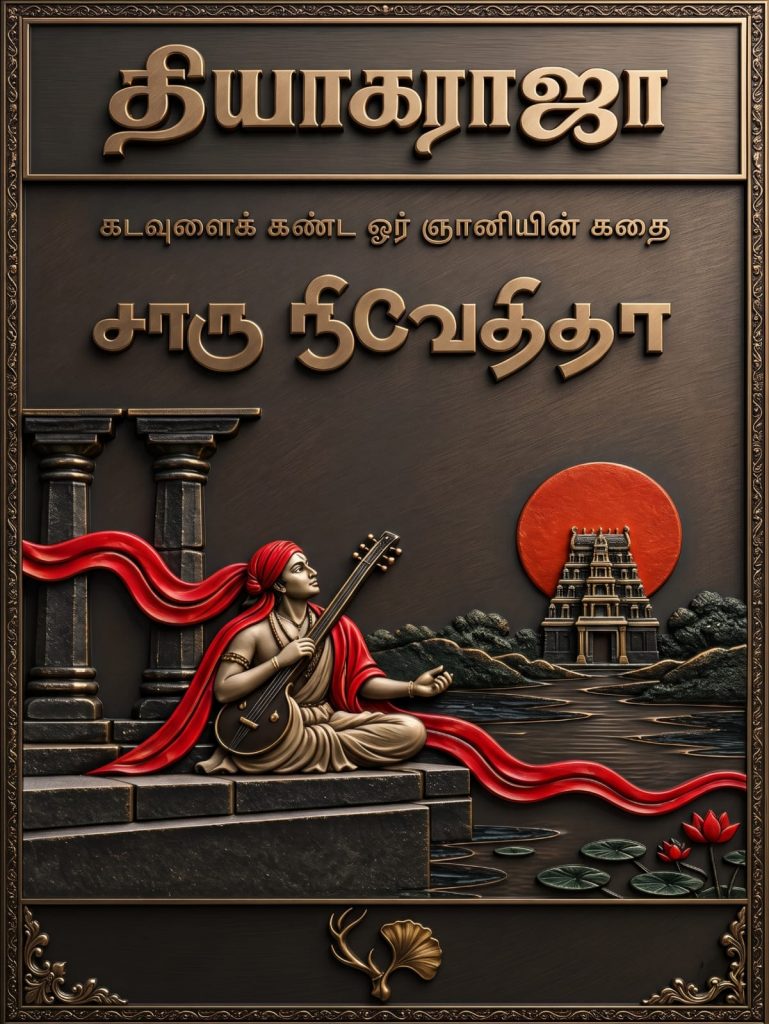
தியாகராஜா நாவலை முன்பதிவு செய்வதற்கான விவரம்:
நூல் குறித்த விவரங்கள்:
– மொத்தப் பக்கங்கள்: 900
– இரண்டு பாகங்களாக வெளிவருகிறது.
– இரண்டு பாகங்களும் இணைந்து அழகிய Box Set-ஆக வழங்கப்படும்.
முன்பதிவு சிறப்புச் சலுகை
– புத்தகத்தின் அசல் விலை:1800Rs
– 10% தள்ளுபடி: 180Rs
– தபால் செலவு: இலவசம்
முன்பதிவு விலை: 1,620 ரூபாய் மட்டும்!
இந்த நாவலை வாங்க விரும்பும் வாசகர்கள் கீழ்க்கண்ட வழிகளில் முன்பதிவு செய்து கொள்ளலாம்.
WhatsApp / GPay: 7339680708
Website:
https://raasaleelapathippagam.com/
வங்கிக் கணக்கு விவரங்கள்:
Account Name: RAASA LEELA PATHIPPAGAM
A/c No: 25840200001634
IFSC Code: FDRL0002584